
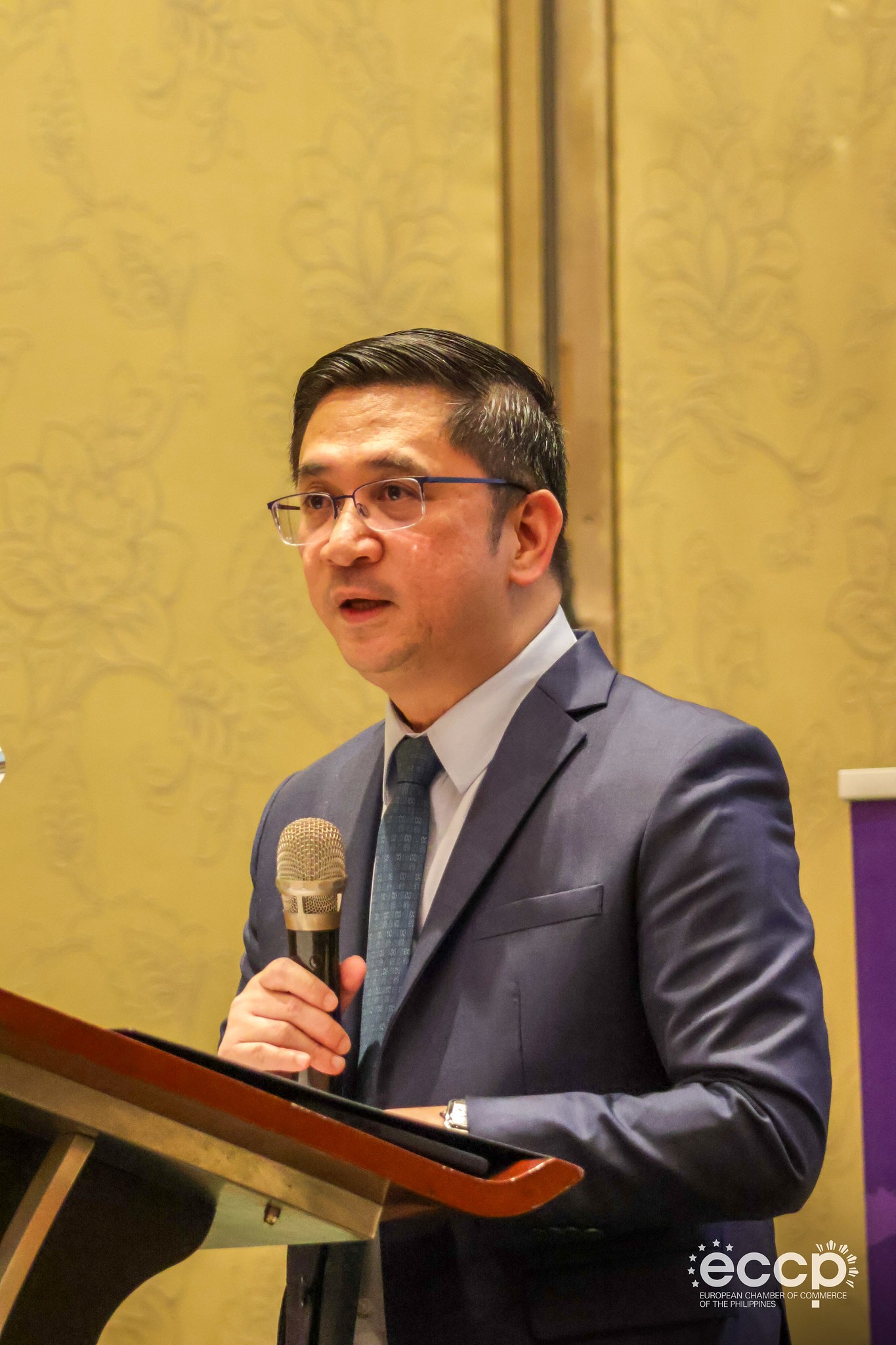
The European Chamber of Commerce of the Philippines (ECCP), in partnership with Deloitte Philippines, convened a high-level dialogue with the Bureau of Internal Revenue (BIR) to advance tax reform, digitalization, and ease of doing business in the country.
Held on 23 April at Dusit Thani Manila, the assembly gathered leaders from government, the private sector, and the tax community to discuss how reforms can lead to more efficient, transparent, and predictable tax administration.
ECCP president Paulo Duarte stressed the importance of consistency in tax implementation, noting that investor confidence depends not only on policy but also on how rules are applied.
“For companies operating in the Philippines, what matters is not only the policy itself, but how it is applied day to day. Businesses need clarity, consistency and predictability — not as a luxury, but as a baseline for long-term planning and growth,” Duarte said.
BIR Commissioner Charlito Martin “Charlie” Mendoza outlined the agency’s five-pillar reform agenda under the DARES framework, which includes digital and data transformation, audit reform, revenue protection, employee development, and service excellence.
“Excellent service worthy of your taxes is not just a campaign line — it is what the Bureau must now prove through actual work: better systems, clearer rules and reforms that taxpayers can feel,” Mendoza said.
He cited ongoing efforts such as digital tools aimed at improving compliance and transparency, including system-assisted audit selection, an interactive digital tax calendar, and monitoring platforms.
During the panel discussion and open forum, private sector participants emphasized the need for stronger integration of digital systems, clearer guidelines on e-invoicing, and consistent audit practices across revenue offices.
They also raised concerns on system reliability, sector-specific tax rules, and the need to update frameworks to reflect the digital economy.
Mendoza assured stakeholders of a balanced, service-oriented approach.
Source: Daily Tribune


Serving the European-Philippine business community since 1978, the ECCP remains committed to enabling cross-sector collaboration, promoting economic growth, and championing a sustainable future. For inquiries or further information, you may contact us directly or connect with us through our official social media channels.